
You’ve already decided your apartment needs a trained guard on the gate. The real question isn’t whether to hire one, it’s which security agency will actually show up with trained guards, consistent supervision, and a system your association can audit month after month.
That decision matters more than most resident welfare committees realize. This market has grown quickly as gated communities spread across Whitefield, Sarjapur, Electronic City, and older neighborhoods like Indiranagar, and not every operator that calls itself a security agency has the licensing, training pipeline, or accountability structure to back up the claim. Search interest in security guard services has climbed right alongside the city’s gated-community boom, and not every company in Bangalore promising round-the-clock coverage can actually deliver it past week one. This guide breaks down what genuine security services for apartments in Bangalore should include, what they cost, how to vet a provider before signing, and what the first 30 days of deployment actually looks like.
Why Do Bangalore Apartments Need Trained Security Guards Now?
Apartments here need the backing of a trusted security agency because rising resident density, high turnover among untrained watchmen, and inconsistent access control have made informal arrangements unreliable. A licensed agency brings background-verified security guards, defined shift protocols, and supervisory oversight that a single independently hired watchman cannot match.
Citywide crime patterns have actually improved in some respects: street crimes like robbery and chain snatching fell by as much as 53% in 2025, according to police data reported by Deccan Herald, largely credited to Hoysala patrol units and geotagged CCTV. But that public policing effort doesn’t extend inside your gate. Whatever happens between your compound wall and your main door is the responsibility of whoever your association has hired, and a growing number of associations across Bangalore and the wider Karnataka region are finding that individually contracted watchmen, with no attendance system, no relief cover on a sick day, and no formal verification process, simply don’t hold up. Not every operator that claims to provide security can actually produce a PSARA license on the spot, and that gap is exactly where residential security starts to fail.
This is where a structured provider, run as an accountable business instead of an informal favour, changes the equation for residential security services.
What Do Security Guard Services Actually Include for an Apartment Complex?
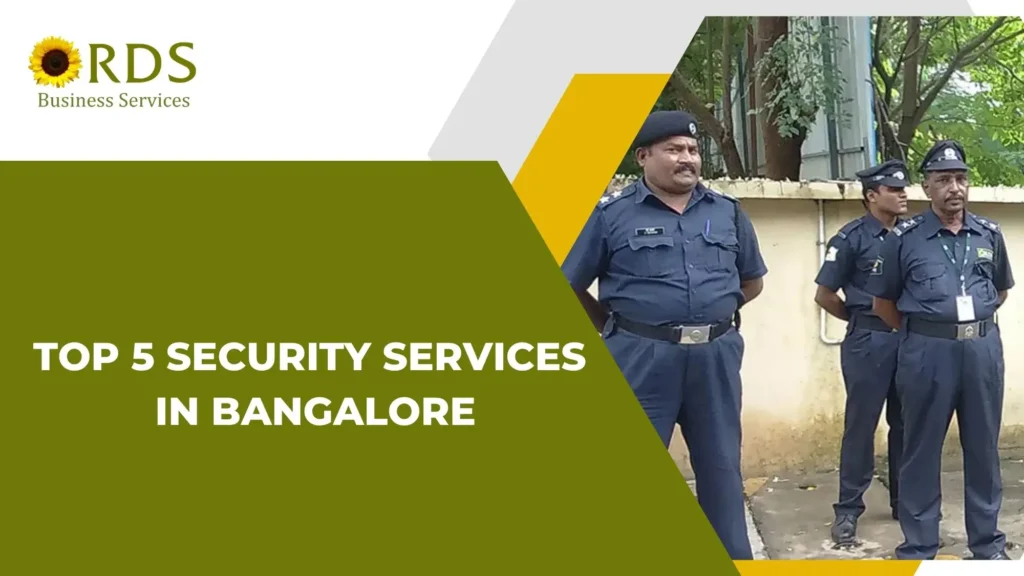
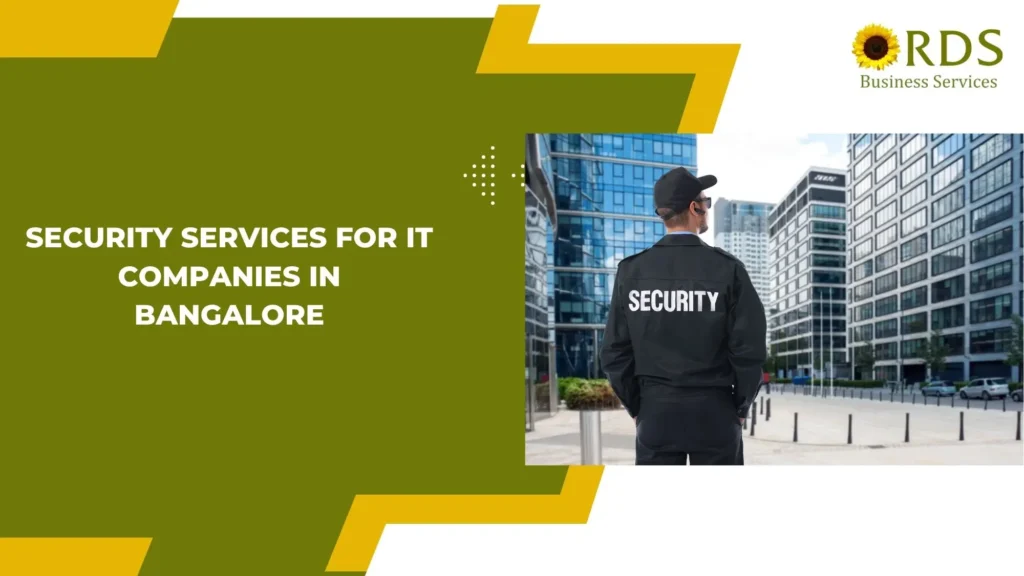
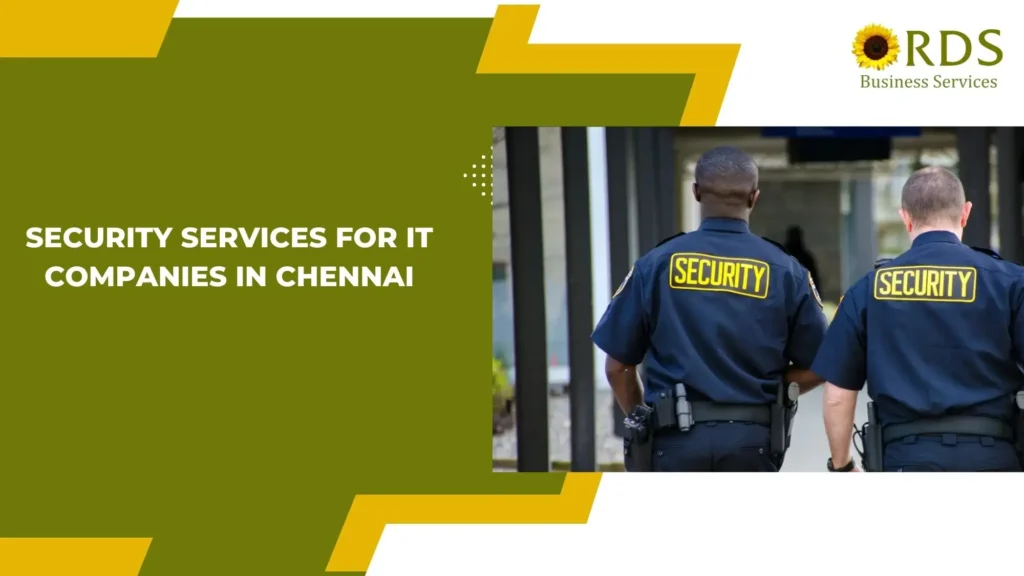
A full security guard service for an apartment community typically covers perimeter patrolling, visitor and vendor access control, CCTV monitoring, fire and evacuation drills, and a dedicated site supervisor, delivered by trained, uniformed, and background-verified security personnel rather than a single unsupervised watchman.
In practice, a complete security setup for a mid-sized property usually includes:
- Gate and access control, using visitor logbooks or a digital gate-pass system, so every entry is recorded
- Perimeter patrolling on fixed rounds, day and night, with logged checkpoints
- CCTV control room monitoring, tied into the association’s own cameras where possible
- Parking and vehicle movement management during peak entry and exit hours
- Fire drills and emergency evacuation coordination with the local fire department
- A mix of armed and unarmed security options depending on the risk profile of the property, plus women guards for shifts where resident interaction is frequent
A robust security setup blends all of the above rather than leaning on any single layer, guards without cameras, or cameras without guards, both leave gaps. Many associations also bundle this with facility management services in Bangalore, pairing housekeeping and engineering maintenance with the security contract so there’s one accountable vendor instead of three. A single vendor offering a genuine range of security services, guarding, patrolling, CCTV monitoring, and event coverage, tends to catch small issues, a broken gate lock, a lighting blind spot, a malfunctioning camera, faster than three separate contractors working in isolation.
How Do You Choose the Right Security Agency for Your Apartment?
Choosing the right security agency comes down to five checks: PSARA licensing, ISO-certified quality processes, documented guard training, deployment speed, and whether the provider assigns a dedicated supervisor for ongoing accountability, not just the lowest hourly rate.
Most resident committees comparing security agencies in Bangalore focus entirely on the monthly rate per guard, which is the wrong starting point. An expert security consultant should be able to map customized security solutions to your gate count within a single site visit, not a templated quote emailed a week later. Every property faces different security challenges, and the checklist below is how you separate agencies that acknowledge that from the ones that don’t. The better comparison is cost per verified, trained, and supervised guard-hour. Use this checklist before signing with any of the security companies you’re evaluating:
- A PSARA license number the agency will show you on request, not just claim to have
- ISO 9001:2015 or an equivalent quality certification covering their operating processes
- Police verification and background checks documented for every guard, not just supervisors
- A named site supervisor assigned to your property, not rotating staff with no continuity
- Written SOPs for shift handover, incident reporting, and visitor escalation
- At least two verifiable references from existing residential clients
- A guard-replacement guarantee, typically 24 to 48 hours, if someone falls sick or resigns
Comparing three or four security service providers in Bangalore side by side, on paper, before any sales call, is the fastest way to spot the ones cutting corners. It’s also worth reading how residents typically evaluate a security agency before signing a contract, since the questions that matter to a 40-unit independent building differ from what a 300-unit township needs to ask. Some of the best security services in Bangalore won’t be the cheapest option on your shortlist. The best security agencies in Bangalore will never hesitate to hand over their license and training records without being asked twice.
What Makes Security Guards Genuinely Trained and Reliable?
Reliable security guards are PSARA-licensed, police-verified, and put through structured training in access control, fire response, and de-escalation before deployment, then supervised through daily reporting rather than left alone after a one-day induction.
Training for experienced security personnel at a serious agency typically covers watch-and-ward drills, fire and evacuation response, basic first aid, visitor-handling etiquette (guards interact with residents daily, so tone matters as much as vigilance), and incident documentation. Ask how often this security training is refreshed, not just whether it happened once at induction, highly trained security teams are rotated through refresher sessions every few months, not trained once and forgotten. Top-notch security services rely on more than a checklist of certifications, they rely on a culture where guards take pride in the job, not just show up for the shift, licensed security and documented trained security personnel are what make that culture repeatable across every shift, not just the day the association is watching. This is where the gap between an unregulated operator and one of RDS’s security services in Bangalore becomes obvious in practice, not just on paper.
Here’s how the two models compare for a typical apartment building:
| Factor | Independent or Unverified Watchman | Agency-Trained Security Guard |
|---|---|---|
| Background verification | Rarely documented | Police-verified before deployment |
| Coverage during sick leave | Often none | Relief guard from bench strength |
| Supervision | Self-reporting only | Dedicated site supervisor with audits |
| Training | Informal, one-time | Structured induction plus refreshers |
| Accountability | Verbal understanding | Written SOPs and a signed service contract |
That difference is exactly why a licensed, reliable and professional security operator, not a favour arranged through a neighbor’s contact, is the safer long-term choice for residential security.
How Much Do Security Services Cost for Apartments in Bangalore?
Apartment security in Bangalore typically costs between roughly ₹18,000 and ₹28,000 per guard per month, depending on shift length (8-hour versus 12-hour rotations), guard category (unarmed or armed), and whether the contract bundles in facility and protection services. A mid-sized 150-unit gated community usually needs four to six guards across three shifts, once EPF, ESI, uniforms, and equipment are factored in.
That range feels steep until you look at where the industry is heading. India’s broader security market was valued at roughly USD 5.50 billion in 2025 and is projected to reach USD 14.82 billion by 2034, growing at an 11.23% CAGR, according to IMARC Group. Because the security industry is growing this fast, agencies that can’t sustain a training and compliance overhead tend to fall behind once labor and statutory costs rise, and associations that shop purely on price end up working with exactly those operators. Many committees end up choosing a provider that also offers services for apartments in Bangalore bundling facility management in, precisely because a combined contract works out more cost-efficient than running separate vendors for security, housekeeping, and maintenance.
The honest trade-off: the cheapest quote almost always means unverified guards, no relief cover, and no supervisor accountable to your association. Between guarding, access control, and CCTV monitoring, genuinely comprehensive security solutions cover all three, not just guard headcount, and that costs more per guard on paper but usually less once you factor in reduced turnover and fewer coverage gaps.
What Happens After You Hire a Security Agency?
After you sign, expect a site assessment within a few days, guard deployment within 24 to 48 hours, a defined onboarding period where the supervisor documents gate protocols and emergency contacts, and a first formal performance review at the 30-day mark.
A typical rollout looks like this:
- Days 1 to 2: Site visit and risk assessment, mapping entry points, blind spots, and existing infrastructure like CCTV and boom barriers, flagging the specific security risks unique to that property rather than reciting a generic checklist
- Days 3 to 5: Guard deployment, uniform and ID issuance, and integration with any biometric or RFID gate-pass systems already installed, the kind of modern security groundwork most watchmen-only setups skip entirely
- Week 1: The site supervisor establishes patrol routes, logbooks, and shift handover procedures with the outgoing team, trained to spot early signs of security threats, a stranger loitering near the gate, an unfamiliar vehicle circling the block, before they escalate
- Weeks 2 to 4: Resident feedback collection through the association, with adjustments to shift timing or guard placement as needed
- Day 30: A formal review meeting with the resident welfare committee, covering incident logs, KPI-based performance data, and any changes to the service plan
This is the part most associations don’t ask about before signing, and it’s often where a setup that looked fine on paper starts showing real gaps once it’s actually running your gate day to day.
How Do Security Providers Handle Different Challenges Across Bangalore’s Neighborhoods?
Providers serving this city tailor deployment to local risk profiles. Dense high-rises in Whitefield and Sarjapur need stronger visitor-management systems for constant vendor and delivery traffic, older independent-house layouts in Indiranagar or Jayanagar need heavier perimeter patrolling, and IT-corridor apartments with high tenant turnover need stricter identity verification and more frequent access audits, mapping security requirements floor by floor, not just at the main gate.
Residents working in corporate campuses often expect the same discipline at home that they see at their office, which is one reason corporate security standards have started influencing residential contracts, and ground-floor business centres inside residential complexes increasingly want office security applied to their portion of the property. Professional security services in Bangalore increasingly blur the line between corporate-grade protocols and residential ones, which is why security and facility contracts often bundle protection and support services for residential communities alongside commercial campuses. Mixed-use developments with ground-floor retail or clinics add another layer, those units need something closer to commercial security, with separate access logic from the residential towers above them. Larger townships near industrial corridors sometimes need elements of industrial security bolted onto a standard residential plan. Some associations also ask about supplementary bodyguard services for a specific resident, which most agencies can arrange separately from the standard guard contract. And clubhouse weddings, festivals, or resident association events are common enough that most serious providers also offer dedicated event security management as an add-on rather than a one-off request.
The point isn’t that every property needs every service. A security team capable of building unique security solutions tailored to these different scenarios, instead of applying one generic template to every gate, is the one that can actually handle any security challenge your specific property presents, from routine visitor screening to a genuine incident response. Most upgrades don’t require ripping out the existing setup, just layering professional security solutions where the gaps actually are, and behind every well-run gate is a small, coordinated team of security professionals who actually talk to each other across shifts.
Key Takeaways
- Verify PSARA licensing and ISO certification before signing with any private security agencies, don’t take licensing claims at face value.
- Compare cost per verified, supervised guard-hour, not just the quoted monthly rate, when evaluating security companies in Bangalore.
- A named, on-site supervisor delivers accountability day to day, not the guard headcount alone, this is what separates one of the best security setups from an average one.
- Bundling security with facility management services often costs less than running separate vendors for security and housekeeping.
- Expect deployment within 24 to 48 hours and a formal 30-day performance review as standard practice from any top security provider worth hiring.
- Committees that choose the best security agency, not just the cheapest quote, are the ones that stop worrying about their gate within a month.
- Different neighborhoods and property types need different approaches, there’s no single template that fits every gate or every set of unique security needs.
- Most security breaches trace back to a skipped visitor log or an unsupervised shift change, not some elaborate scheme, which is exactly what a dedicated supervisor exists to catch.
Choosing a Security Partner That Treats Your Building as Its Own
Peace of mind for a resident welfare committee doesn’t come from a guard standing at the gate, it comes from knowing that guard was verified, trained, and backed by a supervisor and an agency that answers the phone when something goes wrong. That’s the day-to-day feeling of safety and security residents actually notice, far more than which certificates hang in the management office. RDS Business Services has spent over 13 years building exactly that kind of accountable, ISO 9001:2015-certified, PSARA-licensed operation, first across Chennai, and now serving apartment complexes, corporate campuses, and commercial properties across Bangalore and Karnataka.
If your association is still relying on an informally hired watchman or a provider that’s never shown you a training record, it’s worth a direct conversation. Visit RDS business services to see the full range of services on offer, or reach out directly to get a site assessment scheduled for your property this month.
Frequently Asked Questions
What is the average cost of security services for apartments in Bangalore?
Costs typically run ₹18,000 to ₹28,000 per guard per month, depending on shift length, guard category, and whether facility management is bundled in. A 150-unit community usually budgets for four to six guards across three shifts, inclusive of statutory costs like EPF and ESI.
How many security guards does a typical apartment building need?
Demand for security guard services in Bangalore has grown enough that most mid-sized properties now budget for one guard per shift at each active gate, plus a supervisor, usually four to six security guards in Bangalore total across three eight-hour shifts. Larger townships with multiple entry points or a clubhouse often need more.
Are security guards from an agency background-verified and licensed?
At a properly run agency, yes. Every professional security guard deployed to your gate should have documented police verification and prior employment checks before deployment, and the agency itself should hold a valid PSARA license it can produce on request, not just mention in a sales pitch.
Can apartment security be customized for different properties?
Yes. Shift patterns, guard count, armed versus unarmed coverage, and visitor-management protocols should all be built around a site assessment, not a fixed package. A 40-unit independent building and a 500-unit township need very different security measures for their layout and risk profile.
How fast can a provider deploy guards for a new contract?
Leading security providers with bench strength can typically deploy within 24 to 48 hours of finalizing the contract, following a brief site visit to map entry points and shift requirements. Smaller or newer operators may take longer if they need to hire and verify guards from scratch.
What’s the difference between armed and unarmed security guards for apartments?
Armed guards, typically ex-servicemen or specially licensed personnel, are used for higher-risk properties or VIP residents and cost more per shift. Most standard residential contracts run on unarmed, PSARA-licensed guards trained in access control and emergency response, which covers the security needs of the vast majority of properties.